8 hr
Jhalana Leopard Reserve 4×4 Safari Adventure
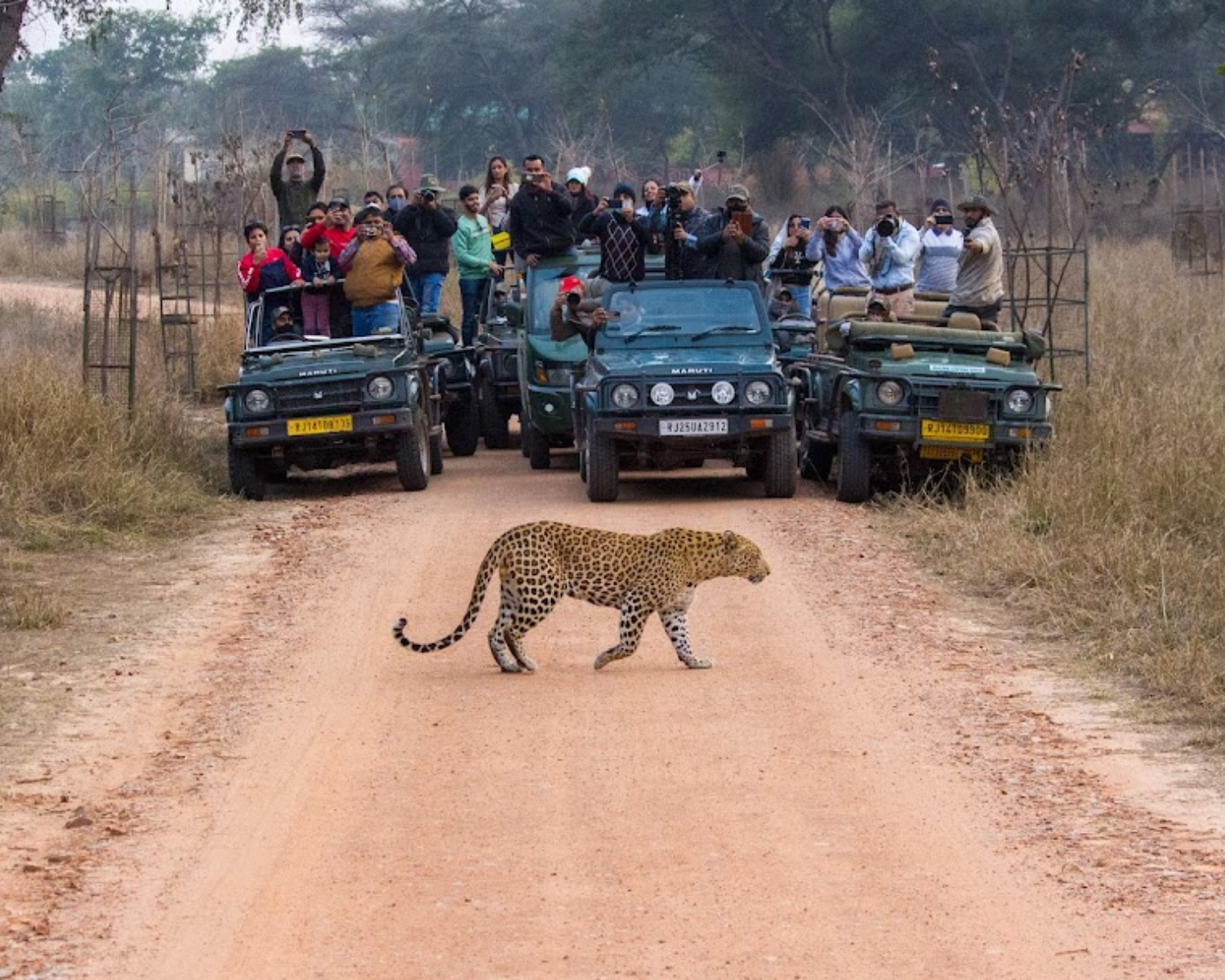
Track wild leopards through rugged terrain on a thrilling jeep safari in Jaipur's wildlife sanctuary
Reserve
Rajasthan's only city leopard reserve, where Aravalli scrub meets predator territory
Hand-picked by our editors — only the best 3 safari experiences from 12 reviewed.
Verified partners for Amagarh Leopard Safari tours, free cancellation where available, and instant confirmation on every booking.
8 hr
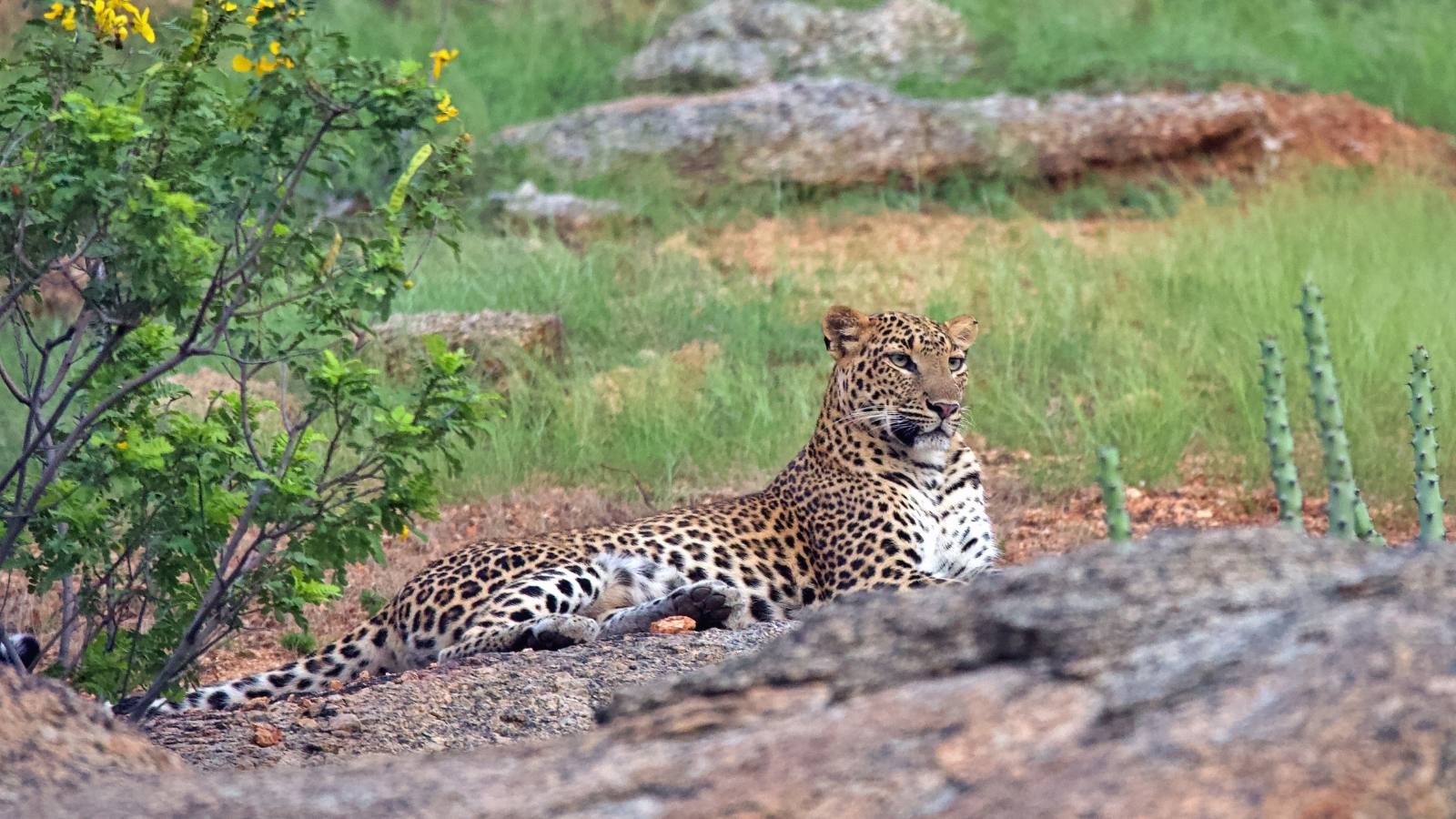
Track wild leopards through rugged terrain on a thrilling jeep safari in Jaipur's wildlife sanctuary
Reserve
2 hr 30 min
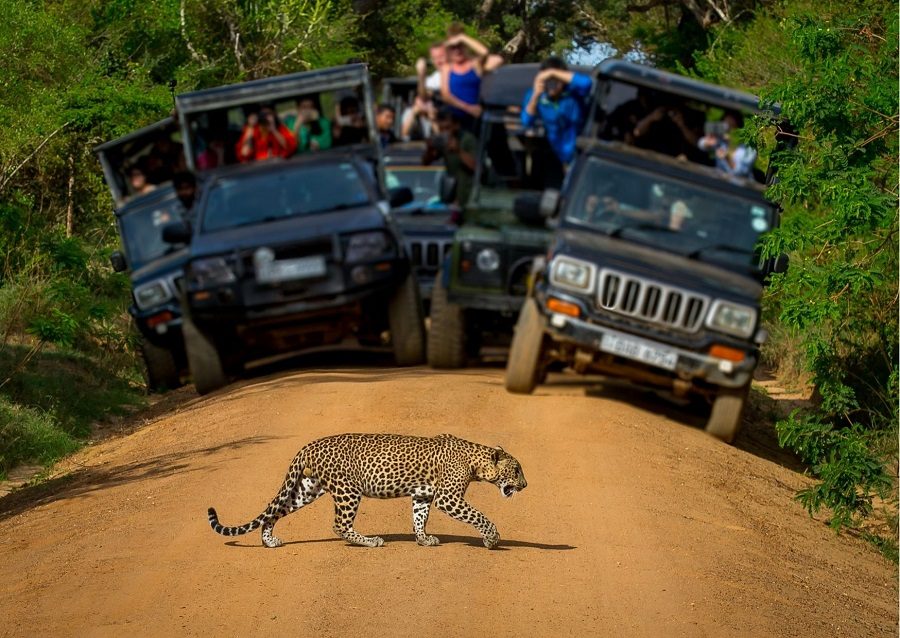
Track wild leopards through rocky terrain just 20 minutes from Jaipur's Pink City center
Reserve
2 hr 30 min
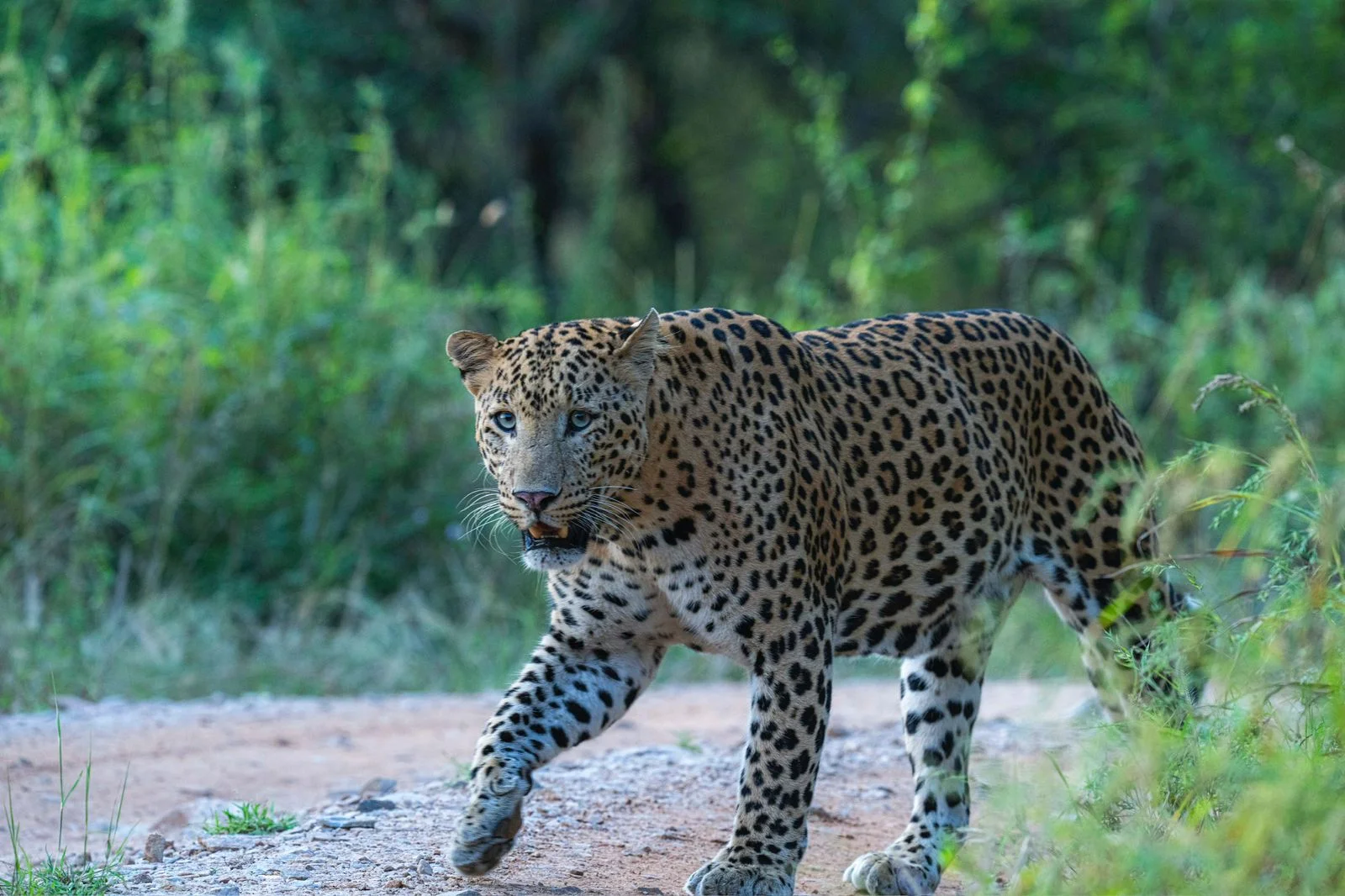
Track elusive leopards through an urban wilderness sanctuary on a thrilling 4x4 safari adventure
ReservePrices from verified partners. Availability updates in real time at checkout. Free cancellation policies apply where shown.
The landmarks, rooms, and views travelers on Amagarh Leopard Safari tours remember — all visible on a single visit.
High-altitude rock formations where leopards are frequently spotted during cooler hours.
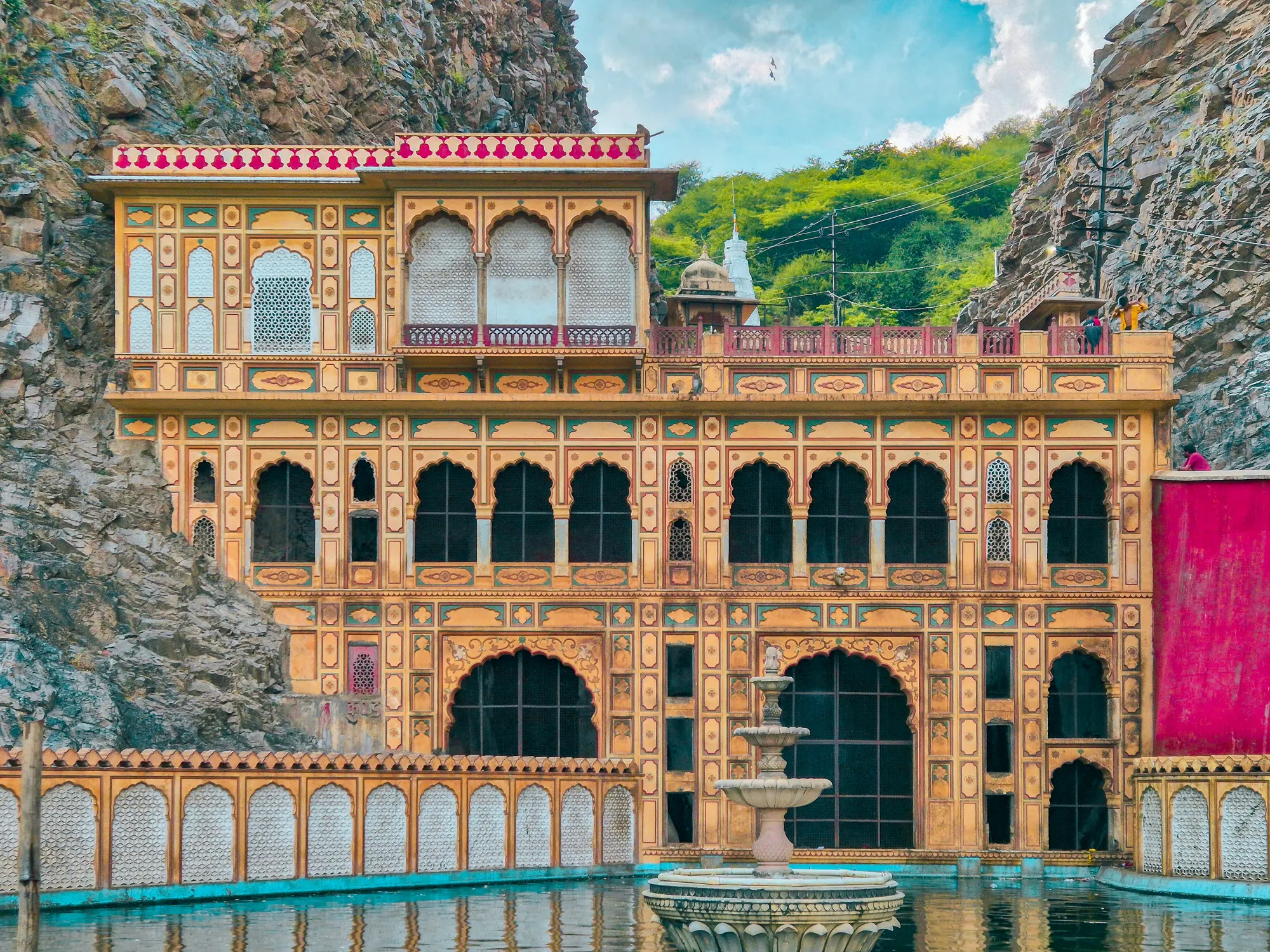
The scenic entrance area surrounding the historic temple structures.
A 12-kilometer network of paths developed by the forest department for wildlife viewing.
Seven designated zones within the park where herbivores and predators congregate.
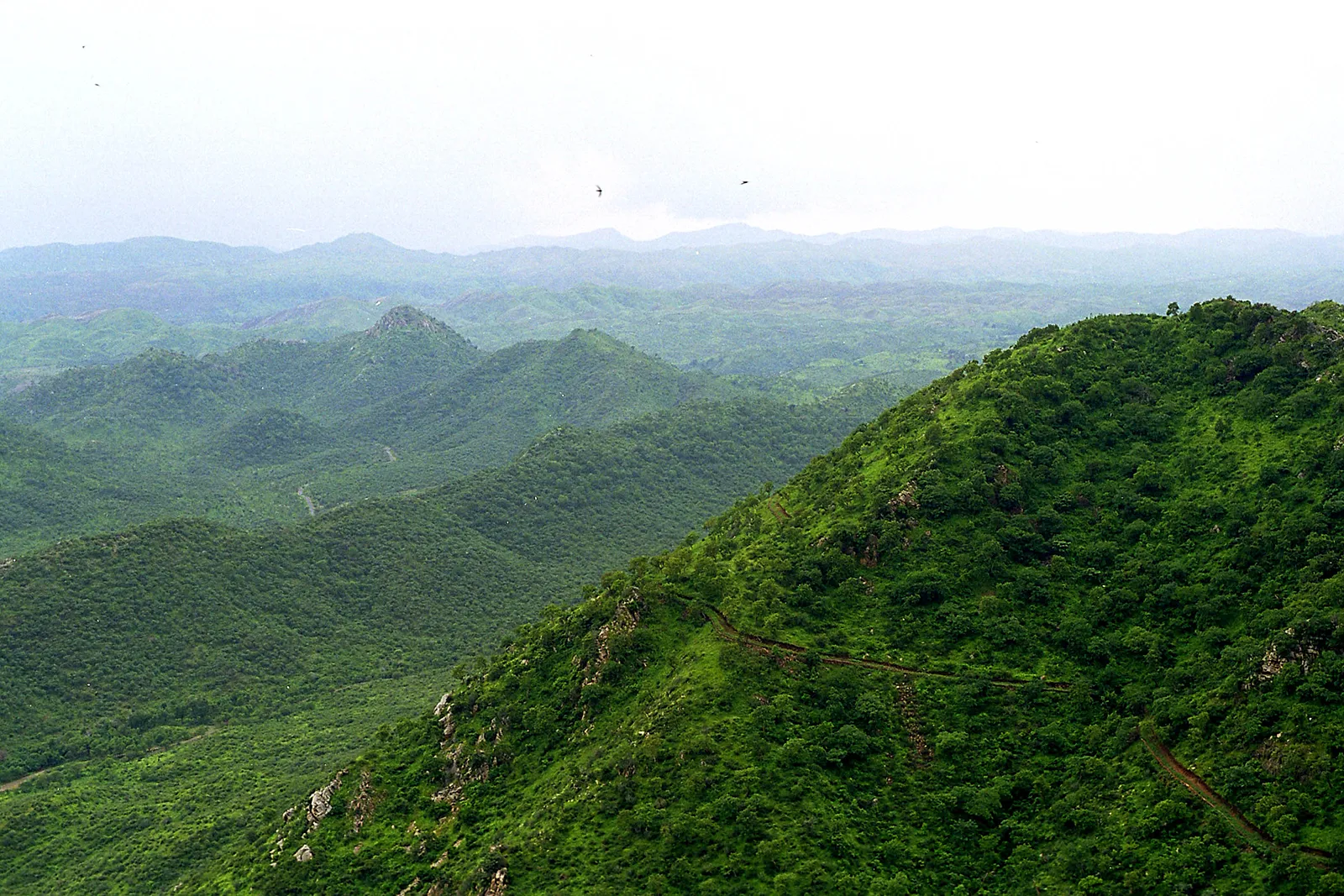
Panoramic views of the ancient mountain range providing a dramatic backdrop for the forest.
Every Amagarh Leopard Safari tour side-by-side — duration, what's included, how you redeem.
| Experience | Duration | Rating | Transfers | Guide | Small group | Free cancel. | Price | |
|---|---|---|---|---|---|---|---|---|
|
Guided Experience Most popular
Jhalana Leopard Reserve 4×4 Safari Adventure
|
8 hr | ★ 4.4 | ✓ | ✓ | ✓ | ✓ | €49 | Book → |
|
Standard Entry
Jhalana Leopard Safari: Sunrise or Sunset Jeep Tour
|
2 hr 30 min | ★ 4.1 | — | ✓ | ✓ | ✓ | €40 | Book → |
|
Standard Entry
Jhalana Leopard Reserve Safari Experience
|
2 hr 30 min | ★ 5.0 | — | — | — | — | €39 | Book → |
All prices from verified partners. Availability and exact terms confirmed at checkout.
Jhalana offers higher leopard density and established wildlife observation tracks, while the amagarh leopard safari provides a more rugged, scenic perspective of the Aravalli hills. Visitors often prioritize the former for guaranteed sightings and the latter for its tranquil, expansive wilderness feel.
| Feature | Top pick Amagarh Safari | Jhalana Park |
|---|---|---|
Landscape Characteristics |
Rugged Aravalli hills and forests | Urban forest with rocky outcrops |
Leopard Sighting Probability |
Moderate, focus on scenic vistas | High, frequent tracking success |
Safari Duration |
2.5 hours | 2.5 hours |
Booking Availability |
Limited entry, requires advance planning | High volume, online ticket system |
Terrain Difficulty |
Moderate, steep inclines in parts | Easy, well-maintained forest roads |
| See tickets → |
Verdict: Securing amagarh leopard safari tickets is recommended for travelers seeking solitude, whereas Jhalana remains the primary choice for those prioritizing tracking success during their Jaipur wildlife tours.
Choose your ticket, select your date, and reserve in under two minutes. Secure checkout handled by our verified partner.
Instant confirmation by email, with a mobile voucher you can save offline. No printing, no queuing at a collection desk.
Arrive at the entrance, show your voucher on your phone, and walk in. Most tickets include priority or skip-the-line access.
Practical details for Amagarh Leopard Safari tickets straight from our verified partners — hours, access, rules, and how to get there.
Near Galtaji Temple
Check-in desk for registered guests
Open in Google MapsDirect transport from Jaipur city center to Galtaji Gate
Wear neutral, earthy-toned clothing such as olive, beige, or brown to blend with the natural environment. Full-sleeve shirts and trousers are recommended for protection against insects and the sun.
Security personnel verify government-issued photo IDs at the entrance gate. Keep bags minimal as vehicle space is limited and shared with other passengers.
Photography is permitted, but flash usage is strictly prohibited to avoid startling wildlife. Utilize high ISO settings and telephoto lenses for optimal results during your amagarh leopard safari tour.
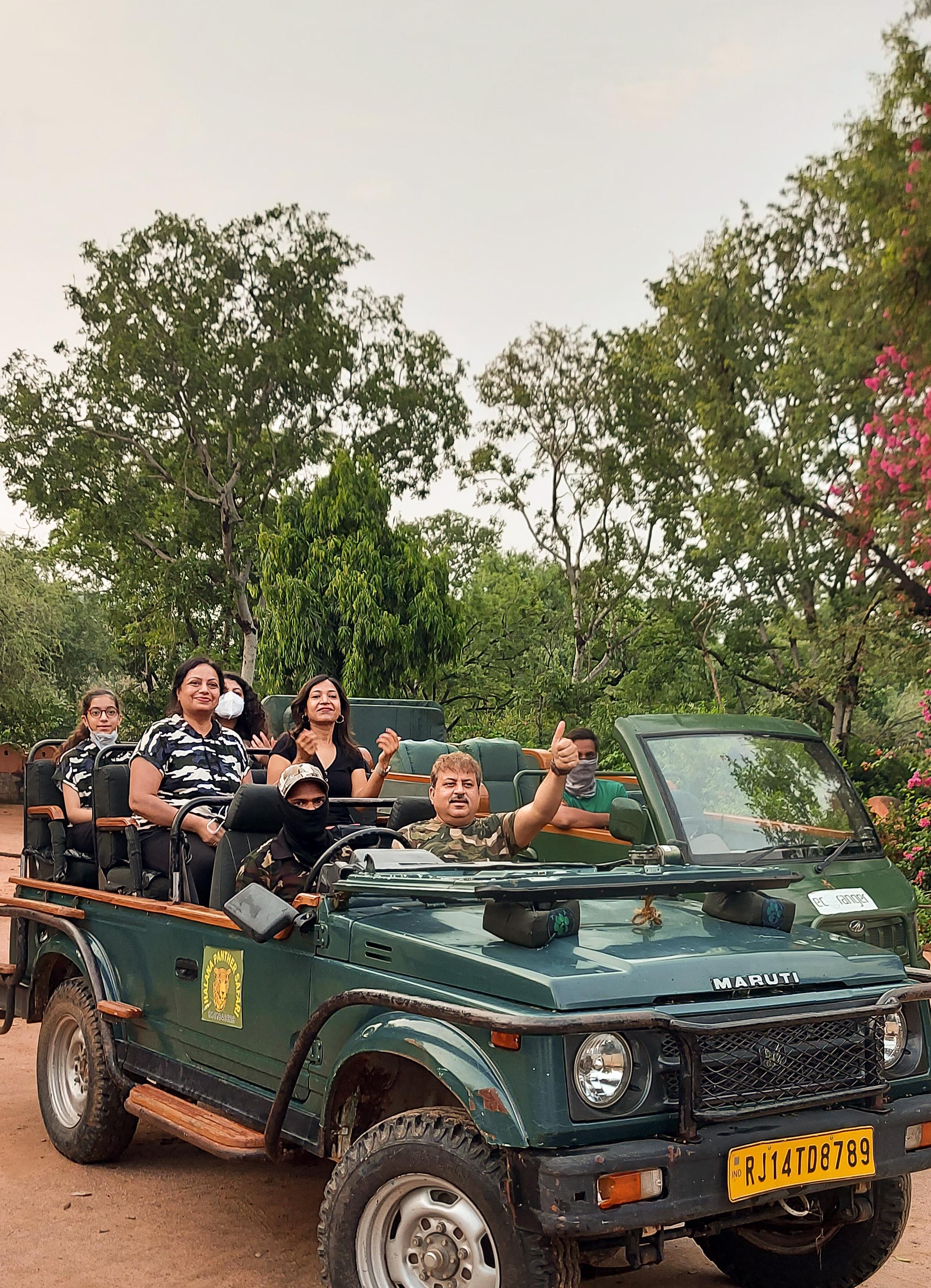
The park utilizes open-air jeeps for navigation across rugged Aravalli terrain. Visitors with mobility concerns should consult with forest officials regarding vehicle access.
Mobile phones should be kept on silent mode to avoid disturbing the natural habitat. Connectivity may be intermittent in remote sections of the reserve.
Children are welcome on safari drives when accompanied by adults. Please ensure children remain seated and quiet throughout the duration of the amagarh leopard safari.
Food consumption is strictly prohibited inside the reserve. Only bottled water is permitted to maintain the cleanliness of the ecosystem.
Pets are not permitted under any circumstances within the protected forest area. Please make local boarding arrangements before your arrival.
Maintain silence during the drive to increase your chance of sightings. Always follow the instructions provided by your trained forest guide.
Best time to go, insider tips, nearby landmarks, and the cancellation fine print — flip through to skim what matters to you.
How crowds, weather, and events shift across the year.
November to February offers cool temperatures and peak wildlife visibility. This is the most comfortable period for extended outdoor exploration.
Small details that turn a good visit into a great one.
Reserve your amagarh leopard safari tickets well in advance as daily vehicle capacity is strictly limited to ensure animal safety.
Non-bookable sights within a short walk — free to visit, easy to pair.
Ancient Hindu pilgrimage site known for its sacred water tanks and monkey population.
Flexible, no hidden fees.
All safari bookings are non-refundable and non-transferable once confirmed. The entrance fee of 2,500 INR per person for foreign nationals is payable in full at the time of booking.
Hand-picked options within walking distance — pick a district for vibe, or a specific hotel for convenience.
Wide selection of heritage hotels and modern resorts available across the city.
Jhalana Leopard Safari Park holds the distinction of being the only conservation zone in India where leopards thrive within municipal boundaries.
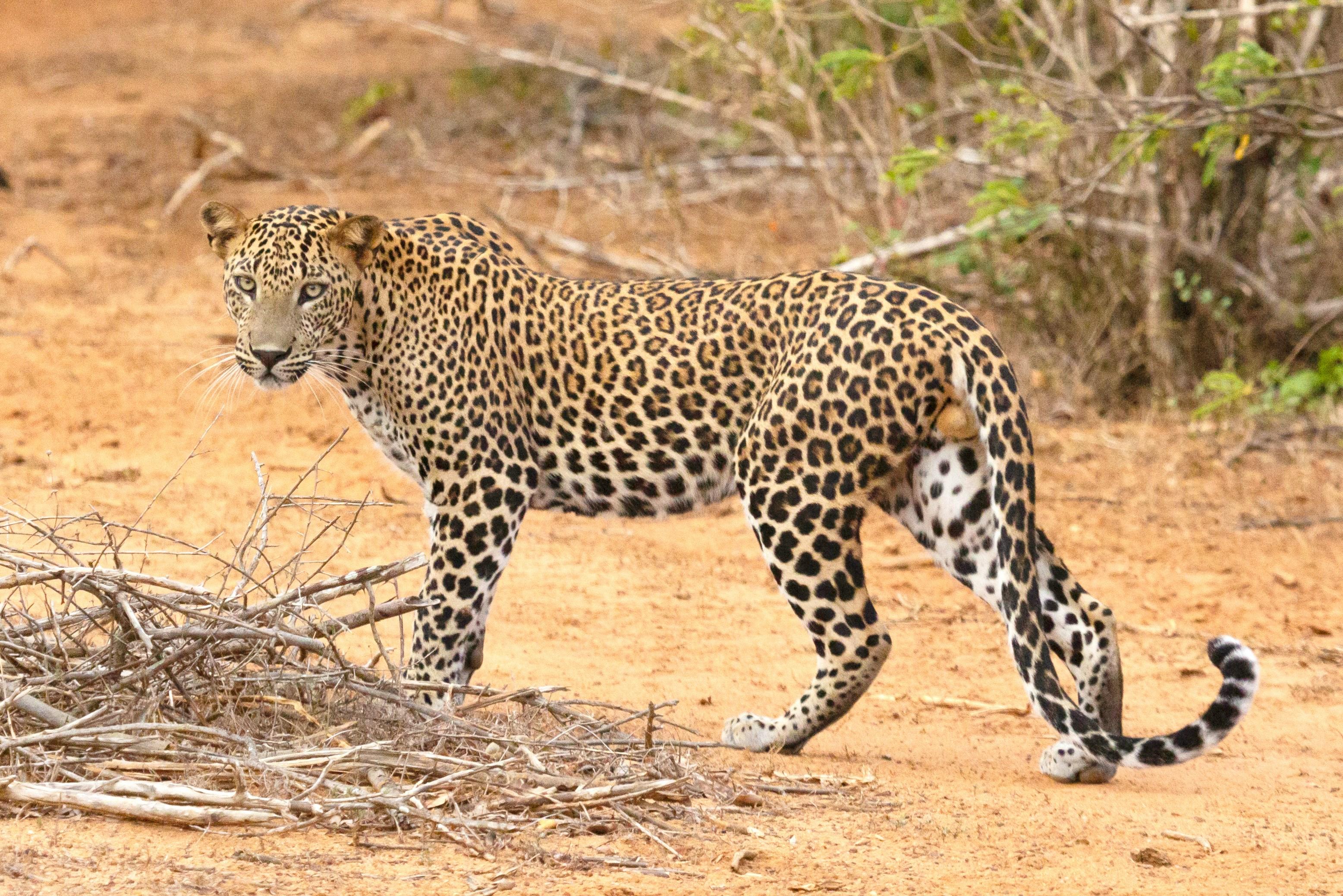
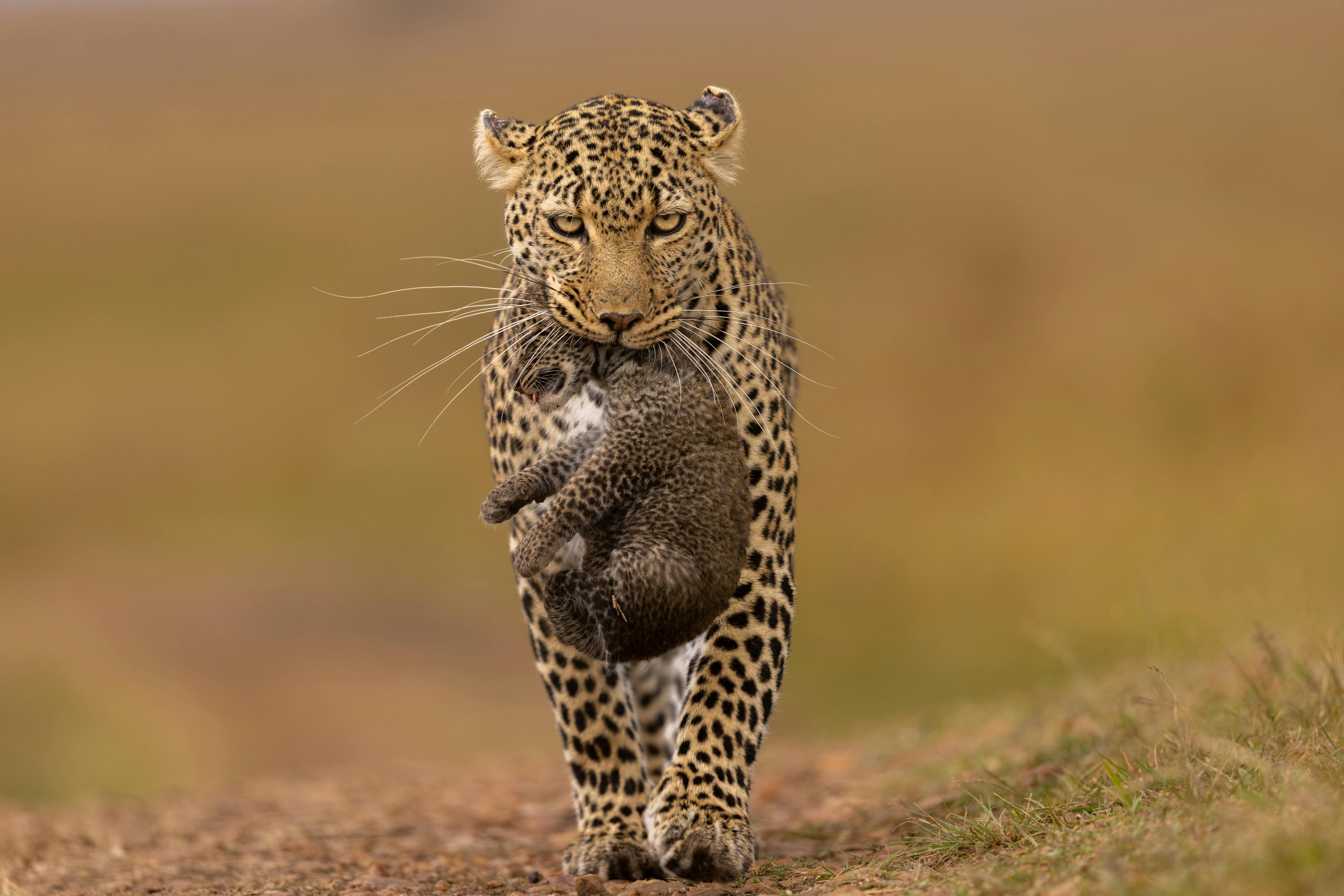
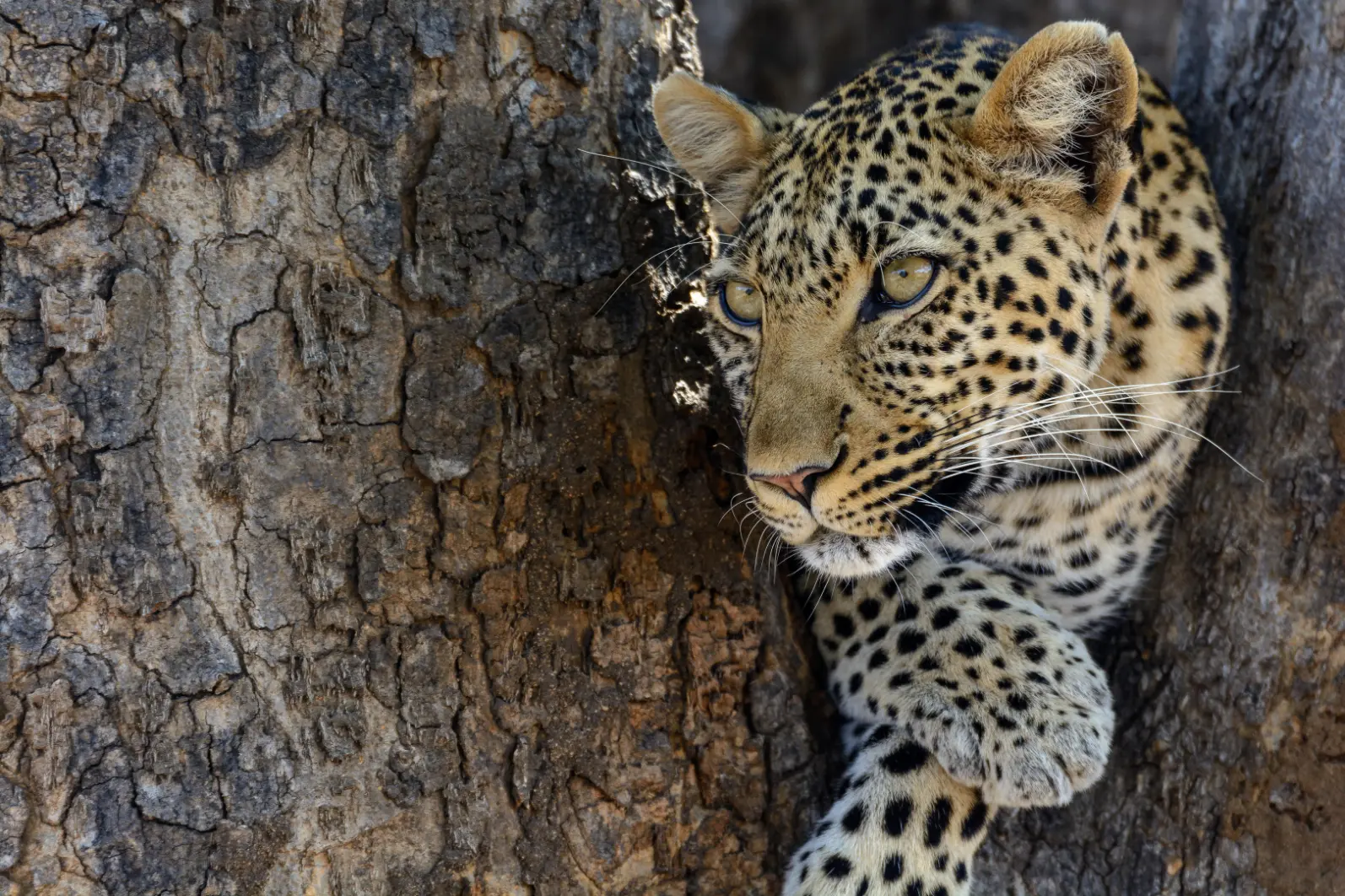
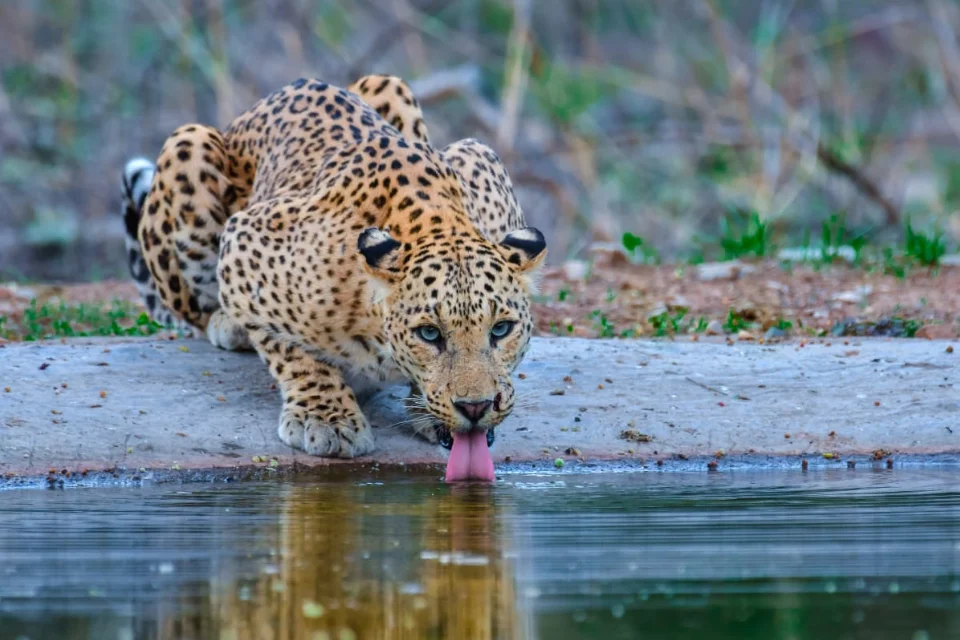
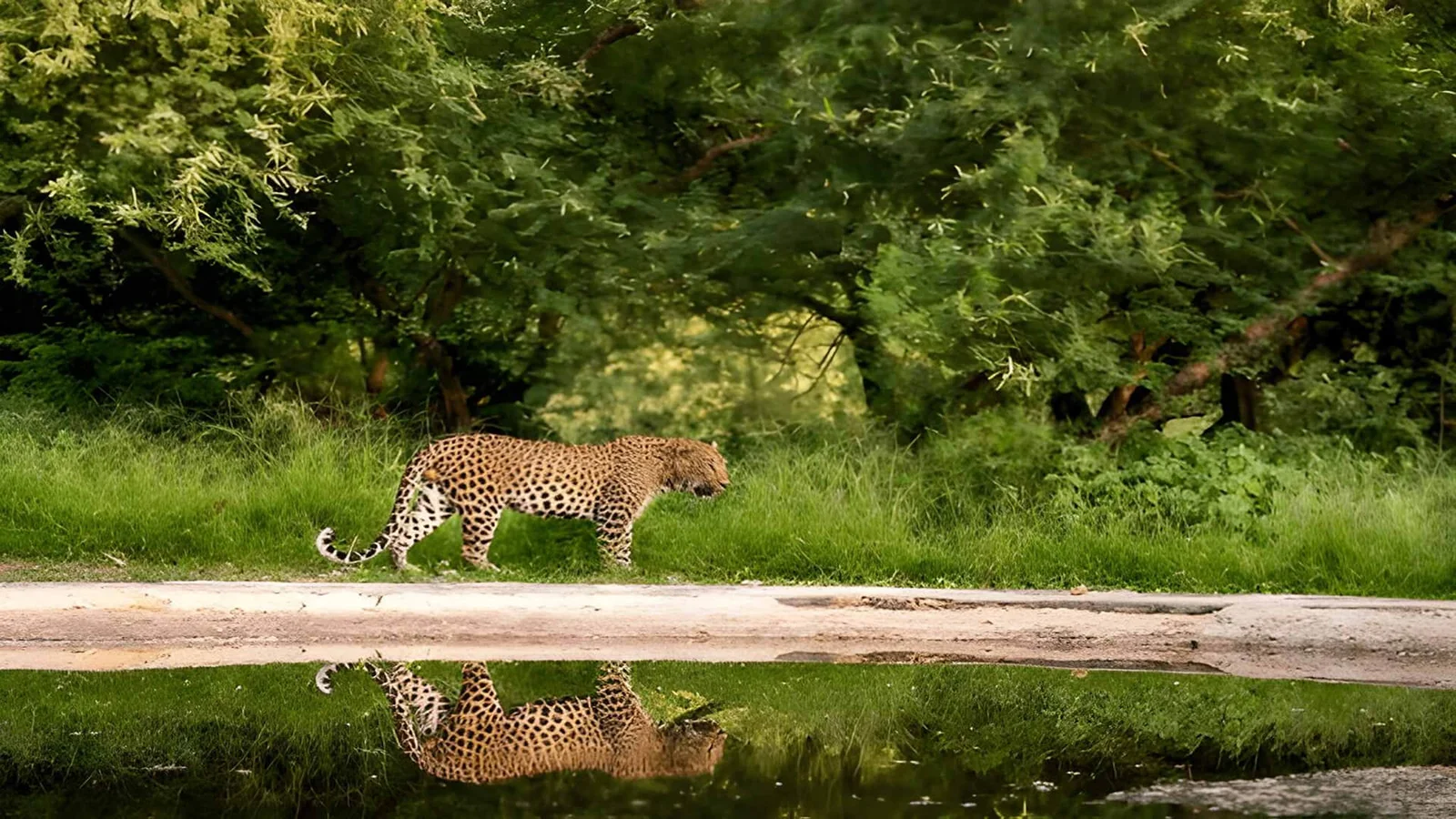
Declared a leopard reserve in 2016, the 23-square-kilometer Aravalli scrubland hosts one of the densest leopard populations on the subcontinent—between 25 and 30 individuals tracked by forest rangers through radio collars and camera traps. The terrain, a mosaic of rocky outcrops, acacia thickets, and seasonal water sources, replicates the leopard's ancestral habitat in miniature, allowing researchers to study predator behavior without the logistical barriers of remote wilderness.
The Amagarh leopard safari operates under Rajasthan Forest Department protocols that limit vehicle numbers per shift and enforce speed restrictions across the core zone. Naturalists accompany every open-topped safari vehicle, trained in leopard ethology and equipped with radio telemetry to coordinate sightings across patrol routes. Morning shifts, departing at 06:45, coincide with peak feline activity when temperatures remain below 30°C and leopards descend from hilltop lairs to patrol territorial boundaries. Late afternoon safaris, concluding at 18:15, capture the golden hour transition when prey species—chital, blue bull, peafowl—emerge from cover and leopards resume hunting circuits.
The park's geographic advantage lies in its proximity to the Galtaji Temple complex, an 18th-century pilgrimage site that abuts the reserve's eastern boundary. This juxtaposition of sacred architecture and wild predator habitat creates a conservation paradox: human presence deters poaching but complicates wildlife movement corridors. Forest officials have installed 14 camera traps along the temple perimeter, documenting over 200 leopard crossings annually. The data informs corridor management and public education programs, transforming local perception of leopards from livestock threats to regional conservation assets.
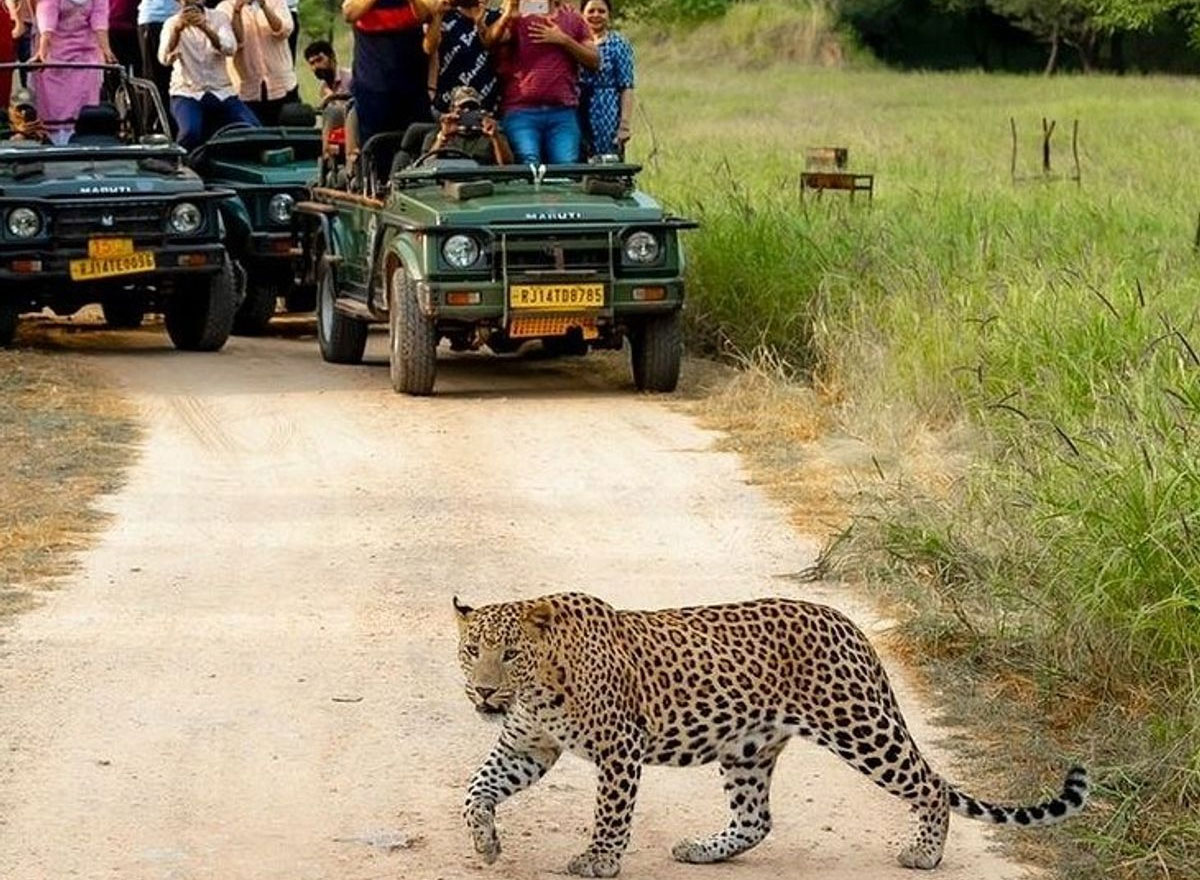
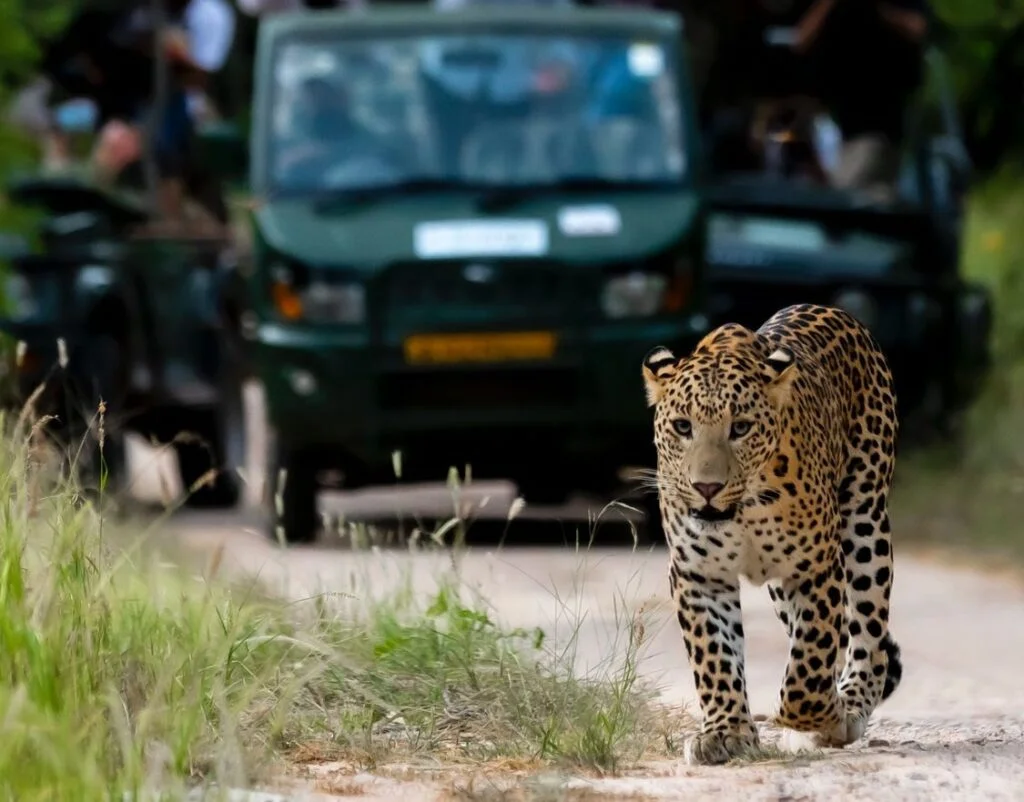
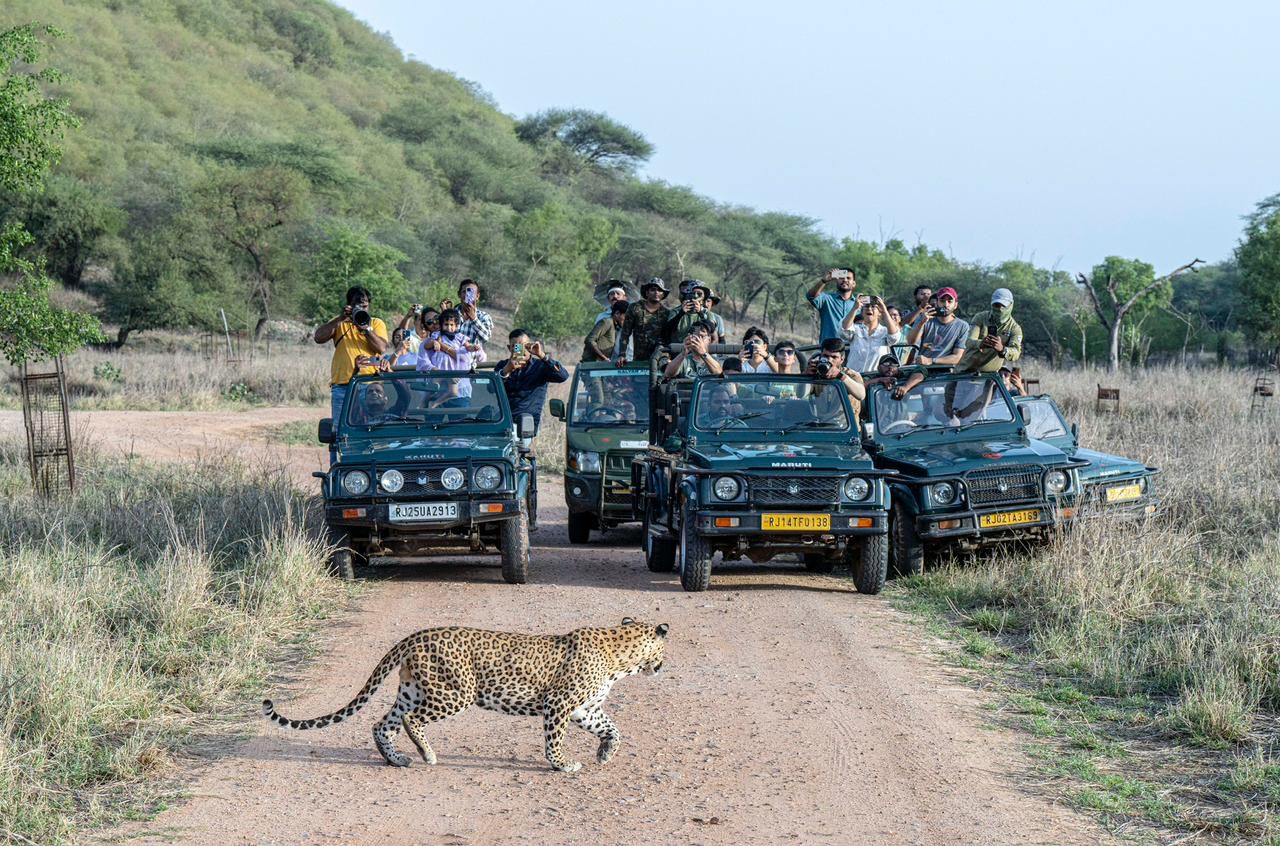
Jhalana's leopards exhibit distinct behavioral adaptations to urban proximity. Unlike their counterparts in Ranthambore or Bandhavgarh, Jhalana individuals show reduced flight distance when encountering safari vehicles, a habituation pattern developed over eight years of regulated tourism. This tolerance enables close-range observation—vehicles frequently pause within 15 meters of resting leopards—while maintaining ecological integrity. The forest department's revenue allocation model channels 40% of safari fees directly into habitat restoration, funding the removal of invasive Prosopis juliflora and the rehabilitation of natural grasslands that support prey density. The amagarh leopard safari booking system, managed through the official Rajasthan Forest portal, caps daily vehicle entries at 24, ensuring minimal disturbance to breeding dens identified in the reserve's southern hill clusters.

"Jhalana hosts one of the densest leopard populations on the subcontinent—between 25 and 30 individuals tracked through radio collars and camera traps."
A step-by-step walkthrough of Amagarh Leopard Safari tickets — what you'll see, how long each stage takes, and the details that matter.
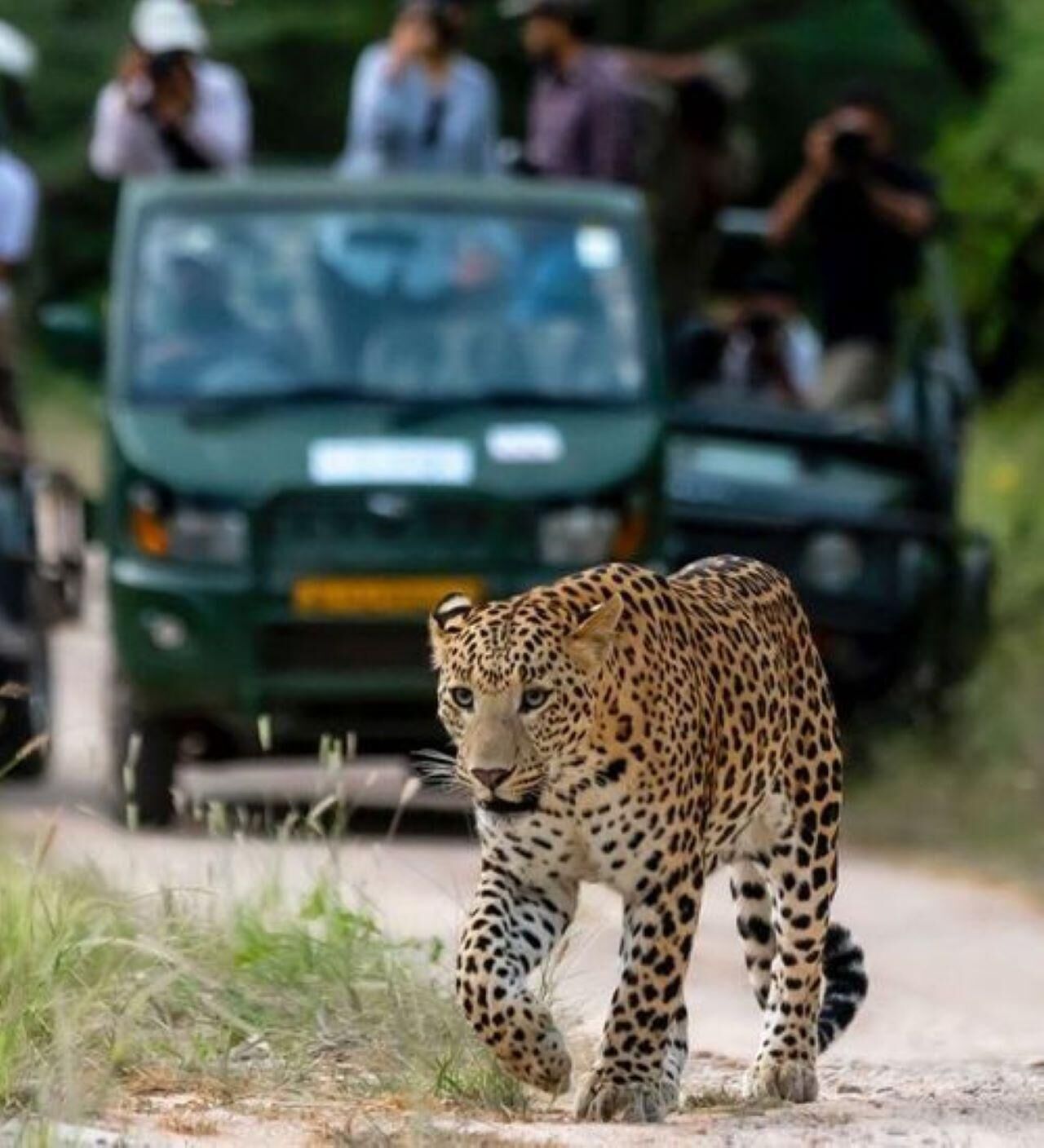
You arrive at the main gate near Galtaji Temple as the 06:45 shift assembles, joining five other guests in an open-topped Maruti Gypsy outfitted with tiered bench seating.
Your naturalist, a Forest Department-certified guide carrying binoculars and a laminated territory map, briefs the group on leopard identification markers—rosette patterns, tail kinks, facial scars—that distinguish Jhalana's resident cats. The vehicle enters the core zone along a red-dirt track winding through khejri groves, pausing at a dry riverbed where fresh pugmarks indent the sand.
Twenty minutes into the circuit, the radio crackles with a Hindi alert: a sub-adult male spotted on a rock ledge 400 meters southwest. Your driver shifts into four-wheel drive, navigating a boulder-strewn ascent until the leopard materializes—a 60-kilogram rosette-patterned form stretched across weathered granite, tail flicking at a hovering drongo. You watch through raised binoculars as the cat yawns, exposing four-inch canines, then shifts position to scan the acacia canopy where langurs issue alarm calls. The naturalist whispers ecological context: this individual, identified as JL-M7 in camera trap logs, was collared at 18 months and now occupies a 2.4-square-kilometer territory overlapping three water sources.
The encounter lasts eleven minutes before the leopard descends the far slope, vanishing into euphorbia scrub. Your vehicle continues the loop, passing chital herds and a nilgai bull before exiting at 09:30, three hours after departure.
The park is open daily from 06:45–18:15.
The entrance fee is 2,500 INR per person for foreign nationals, per safari shift.
Advance booking is highly recommended as vehicles often sell out before the date of travel.
Please carry your valid photo ID, sunscreen, a hat, and binoculars for your amagarh leopard safari tour.
Yes, families are welcome, but children must remain seated throughout the safari.
The entry point is located at the Main Gate, near Galtaji Temple in Jaipur.
No, flash photography is prohibited to avoid disturbing the wildlife during your amagarh leopard safari.
Sightings are most likely during the early morning and late afternoon shifts when leopards are active.
No, only bottled water is allowed inside the reserve to keep the environment protected.